Plov Politics: What Uzbekistan's National Dish Actually Reveals About Regional Identity
SEO target: plov, national identity, cultural symbolism | ~1,000 words
The argument started over rice.
Not about how to cook it — about whose version was correct. I was at a wedding celebration outside Samarkand, holding a plate that could have fed three people, when a man in his sixties leaned toward me and said, in careful English, that what I was eating "was not real plov." He meant no offense to our hosts. He meant it the way someone from Naples might say something about pizza made in Rome.
I hadn't expected a rice dish to have politics. I was wrong about that within about a day.
How I Got Here
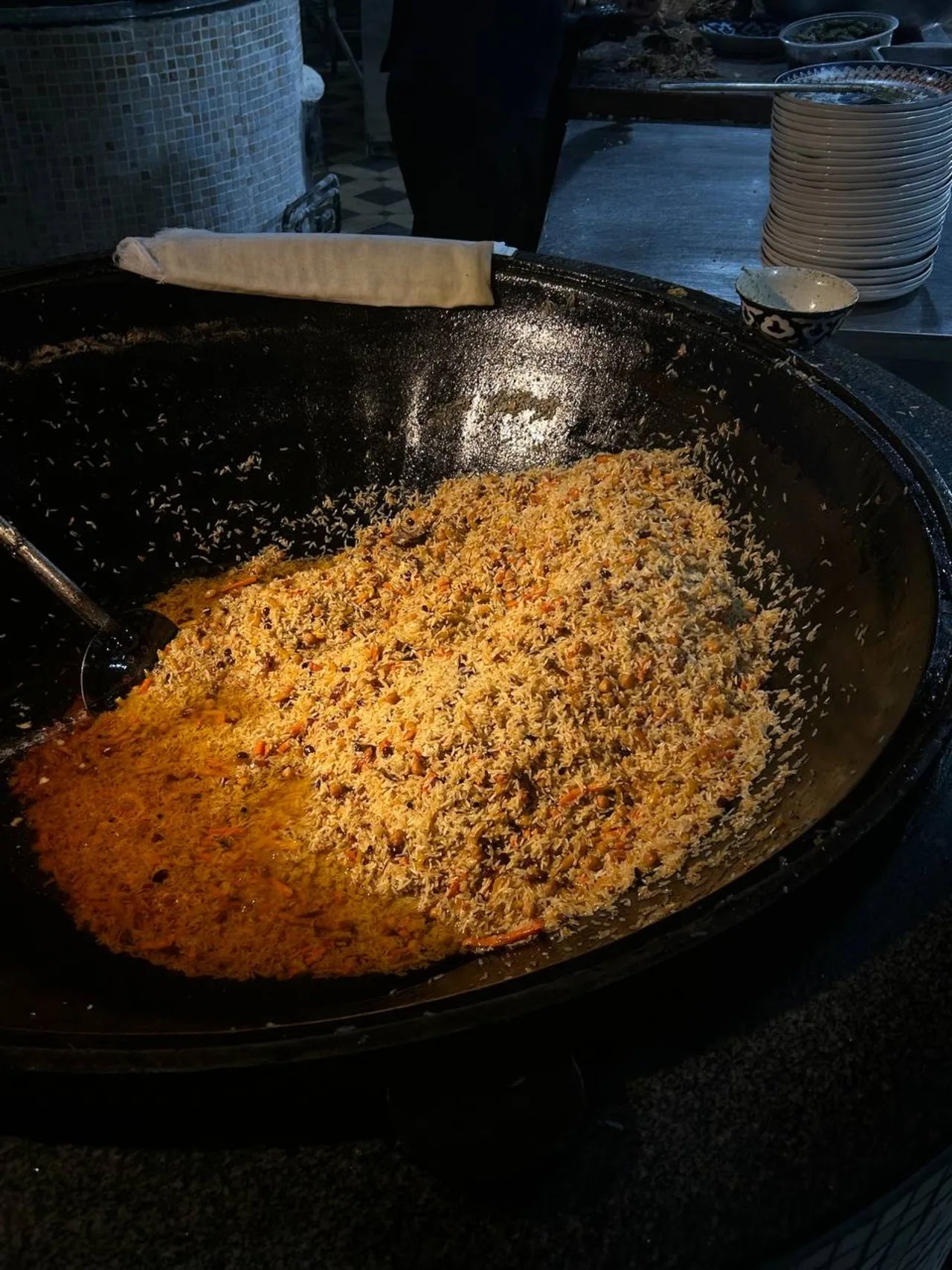
I'd joined a small-group cultural tour with CraftNCulture that moved through Tashkent, Samarkand, and Bukhara, and somewhere in the itinerary I noticed the same word kept coming up in different tones. Plov in Tashkent was described with a kind of civic pride, almost bureaucratic — this was the capital's dish, cooked in enormous cauldrons at dedicated plov centers that open before sunrise and sell out by ten. Plov in Samarkand came with a shrug and a claim of superiority, usually something about the rice-to-meat ratio being more honest. By the time we reached Bukhara, a cook told me flatly that both cities were "cooking it for tourists now" and that real plov happened in homes, not restaurants.
I went in thinking I was signing up to eat well. I ended up in the middle of a low-grade regional rivalry that nobody bothered explaining to me in advance, because for Uzbeks it doesn't need explaining. Everyone already knows plov is not neutral.
Why a Rice Dish Carries This Much Weight
Plov's ingredients barely change from region to region — rice, meat, carrots, onion, oil, sometimes chickpeas or raisins or quince depending on the season and the cook's family. What changes is method, ratio, and occasion, and those small differences carry an outsized amount of cultural symbolism. Tashkent plov tends toward yellow carrots and a lighter oil hand. Samarkand plov is often built in layers, rice steamed separately from the meat and vegetables rather than cooked together, and served upside down so the meat sits on top. Bukhara claims its own version with more oil and a heavier hand on cumin.
None of this is written down anywhere official. It's argued about, the way people argue about barbecue regions or which city makes the "correct" version of a dish everyone's grandmother also made differently. The dish functions as a kind of edible census — cook someone plov and you're telling them, whether you mean to or not, which region you're from and which traditions you were raised inside.