Samsa and Central Asian Pastries: History and Recipes
SEO target: "samsa pastry recipe" | Category: Food
The first bite scalded the roof of my mouth, and I'd been warned.
Our guide had said it twice before the tray came out of the tandoor: wait, let the juice settle, don't bite into the middle first. I bit into the middle first. The onion-and-lamb filling of a proper Tashkent samsa comes out closer to a broth than a stuffing, held in place by nothing but flaky dough and good faith, and mine went straight down my chin.
How I Got Here
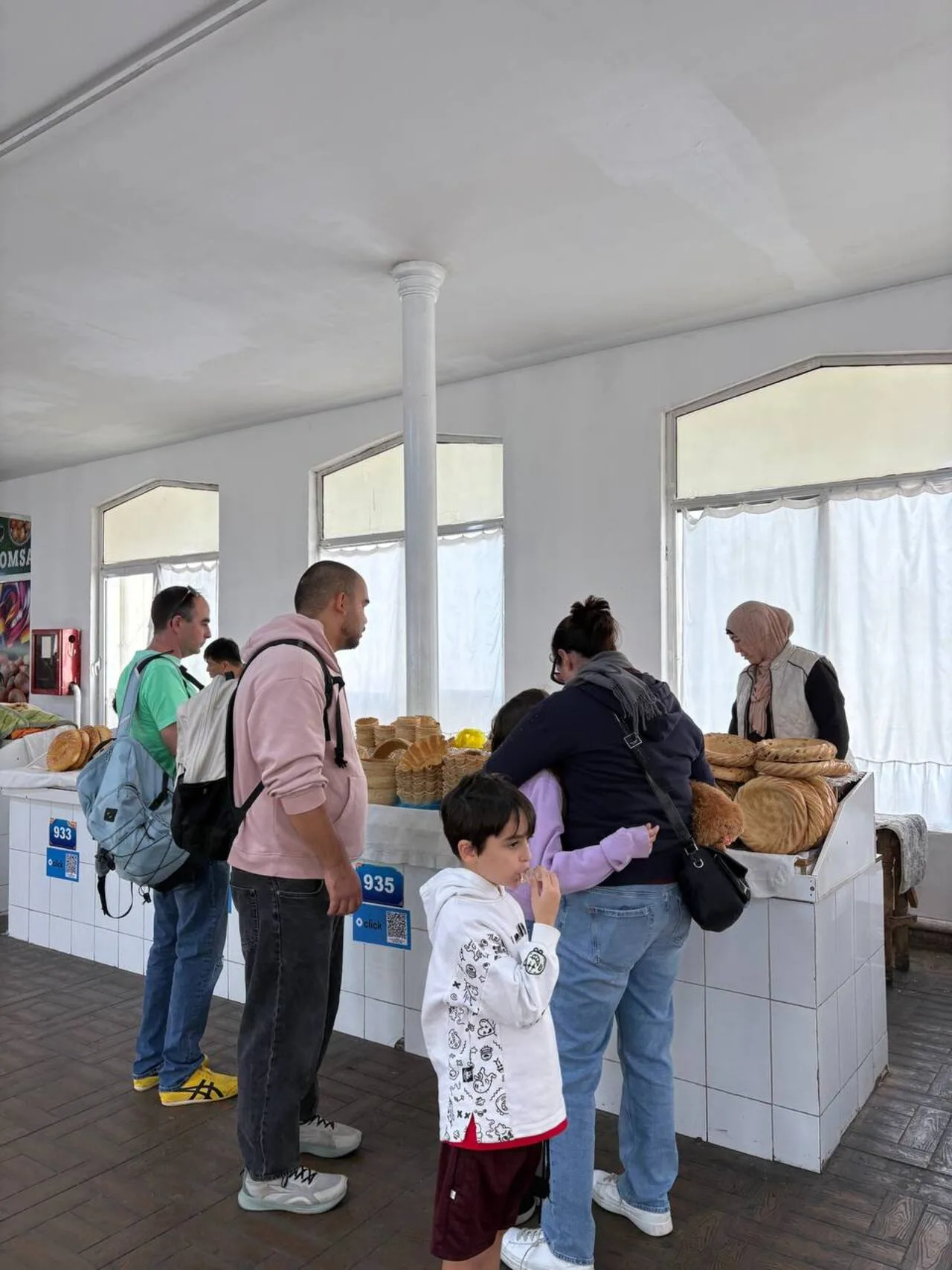
I'd come to Tashkent's Chorsu Bazaar looking for a samsa pastry recipe I could actually take home, not the version printed on a laminated card in a hotel restaurant. What I found instead was a woman named Nodira, working a wood-fired tandoor built into the side of a brick oven stall, who has been making samsa the same way since she took over her mother's spot fifteen years ago. She doesn't measure the dough. She pinches, folds, and slaps each triangle against the oven's inner wall by feel, and they stick there, cooking upright, until the fat renders and the crust goes the color of strong tea.
I'd expected samsa to be a simpler cousin of the empanada or the Cornish pasty — pastry, filling, done. It isn't. The lamination is the whole argument. Nodira's dough gets folded and rolled seven times with rendered tail fat between the layers, the same lamination principle behind puff pastry, except done by hand with no recipe card and no thermometer, purely from decades of knowing what the dough should feel like.
The Craft Itself
Samsa's reach across Central Asia is wider than most visitors expect. In Uzbekistan it's usually lamb, onion, and black cumin, baked upright in a clay tandoor. Cross into the Fergana Valley and you'll find pumpkin samsa in autumn, sweetened just enough to balance the pastry's saltiness. In parts of Kazakhstan and among Uyghur communities, you'll come across versions that are pan-fried rather than tandoor-baked — flatter, denser, closer to a fried dumpling than a pastry — a reminder that "samsa" isn't one dish so much as a shared technique that every region has bent to its own ingredients.
The name itself points backward — most food historians trace samsa to the Persian sanbosag, the ancestor of the samosa as well, carried along Silk Road trade routes centuries before either dish looked anything like it does today. What changed regionally wasn't the concept — dough wrapped around a filling, cooked hot and fast — but the fat, the oven, and the filling, shaped by whatever the local herds and harvests provided.